
O r g a n i c F a r m i n g

Organic farming, a symphony of respect for nature and a commitment to sustainability, paints a vibrant picture of healthy soil, abundant harvests, and thriving ecosystems. Imagine fields bursting with life, untouched by synthetic chemicals, where diverse crops flourish in harmony with beneficial insects and pollinators. It’s a return to the roots of agriculture, where nutrient-rich compost replaces fertilizers, and natural pest control methods safeguard both crops and the environment.
But organic farming is more than just a nostalgic throwback. It’s a conscious choice for a healthier future. By avoiding harmful chemicals, we protect ourselves, our communities, and the delicate balance of nature. Studies show organic food often boasts higher levels of antioxidants and nutrients, nourishing our bodies and minds. And it’s not just about food; organic principles extend to livestock care, ensuring humane treatment and natural living conditions.
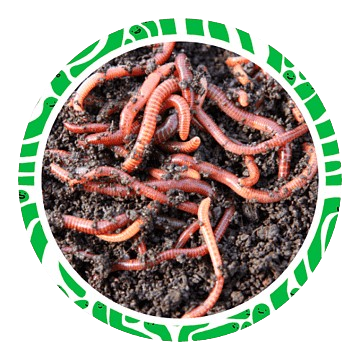
V e r m i c u l t u r e
Vermiculture, also known as worm composting, is the practice of raising earthworms to convert organic waste like kitchen scraps and yard trimmings into nutrient-rich compost called vermicompost. It’s a sustainable and efficient way to reduce waste, improve soil health, and boost plant growth.
What is it?
- Raising earthworms (red wigglers are popular) in a bin or container.
- Worms eat organic matter and produce vermicompost, a dark, crumbly material rich in nutrients and beneficial microbes.
- Vermicompost can be used to fertilize plants, improve soil aeration and drainage, and suppress plant diseases.
V e r m i c o m p o s t
Vermicompost is produced through a process called vermicomposting. This process involves setting up a bin or container with bedding materials such as shredded paper or coconut coir, adding earthworms (red wigglers are a popular choice), and feeding the worms kitchen scraps, yard waste, and other organic matter. The worms will then eat the organic matter and produce vermicompost as their waste.
- Providing essential nutrients
- Improving soil structure
- Enhancing soil fertility
- Suppressing plant diseases:

B i o f e r t i l i z e r
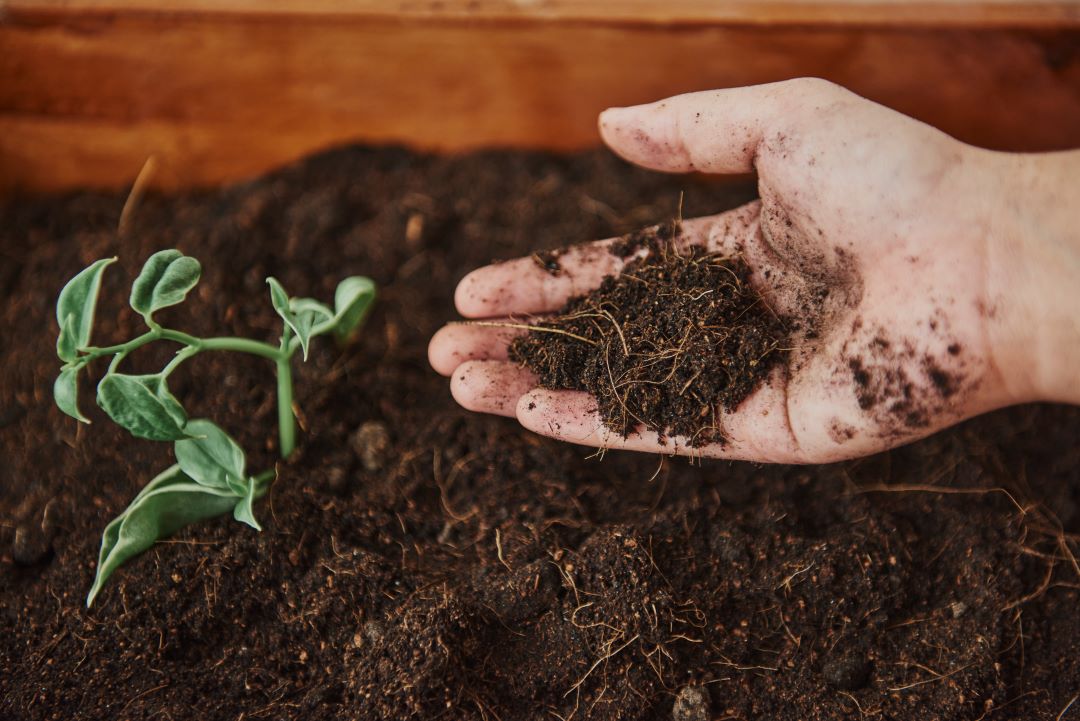
Biofertilizers are a kind of natural, eco-friendly alternative to chemical fertilizers. They contain living microorganisms or microbial cells that, when applied to soil, seeds, or plant surfaces, colonize the rhizosphere (the area around plant roots) and promote plant growth. This happens through various mechanisms, like:
- Nitrogen fixation
- Phosphate solubilization
- Production of growth-promoting substances
- Decomposition of organic matter